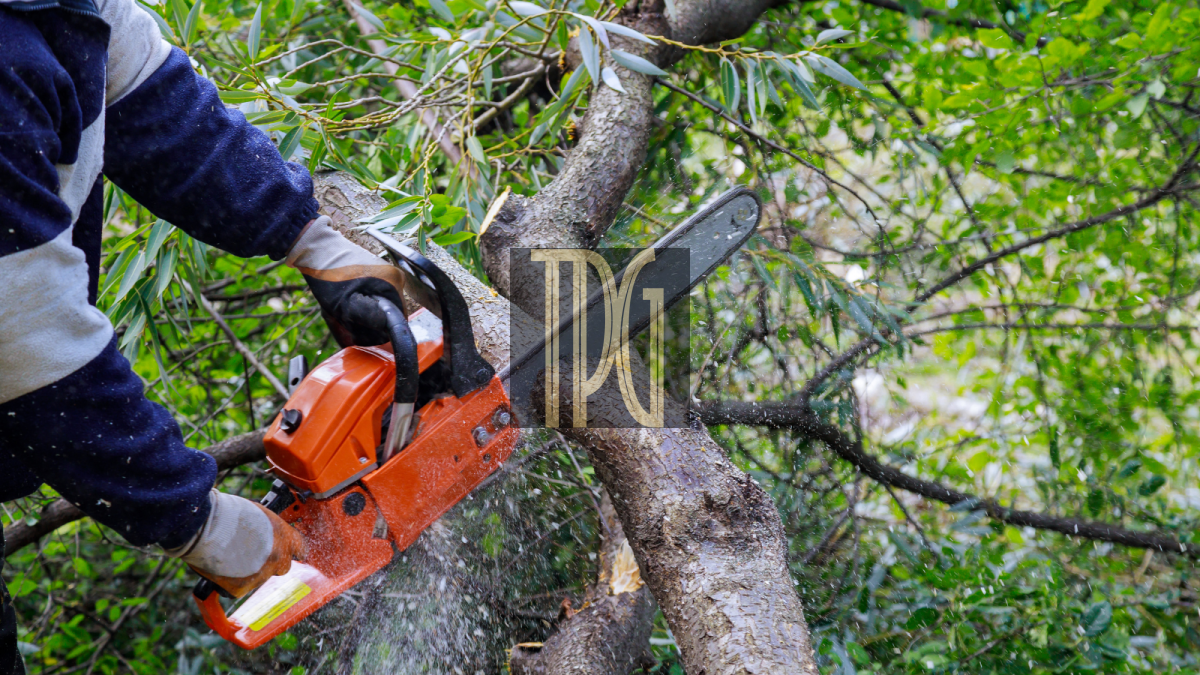
If you take a chainsaw to a tree in the Canary Islands now, you’d better have a very good reason.
Because the rules have changed.
Quietly… but significantly.
Trees Are No Longer “Just There”
A new Urban Tree Law has officially come into force across the Canary Islands. It’s now been published in the State Gazette, which means it’s live.
And the tone of it is clear.
Trees are no longer treated like decorative extras. They’re recognised as essential infrastructure.
Shade.
Air purification.
Temperature control.
Noise reduction.
CO₂ absorption.
Mental and physical health benefits.
In short, the things that make towns and cities liveable… especially in places where summer pavements can feel like a frying pan.
It’s got to be said… this is a serious shift.
You Can’t Just Cut One Down
Article 4 sets the tone.
There is now a general prohibition on felling protected urban trees.
Not discouraged. Prohibited.
A tree can only be removed if:
- It presents a genuine risk to health or safety
- It could cause serious structural damage
- It’s essential for justified public works or accessibility
- There’s an urgent and proven municipal need
And even then, you don’t just “decide”.
Before cutting, authorities must explore alternatives.
Which brings us to the most important part of this law.
“Favor Arboris” – Tree First
The legislation introduces a principle called favor arboris.
Translation? When in doubt, the tree wins.
Before removal, you must consider:
- Transplanting it
- Structural supports
- Lighter, corrective pruning
- Redesigning the project around it
That’s not minor paperwork. That’s a proper change in mindset.
For years, too many urban trees have been treated like inconvenient obstacles. Roots lifting paving? Chop it. Blocking a sign? Remove it. In the way of a project? Gone.
That era should now be over.
Brutal Pruning Is Also Out
We’ve all seen it.
Trees reduced to miserable stumps in the name of “maintenance”.
The law now bans drastic pruning that mutilates the crown or permanently alters the tree’s structure.
Pruning must preserve:
- The tree’s natural shape
- Its vitality
- Its structural integrity
- Its aesthetic value
And it must be carried out by qualified professionals.
No more enthusiastic butchers with a ladder and a saw.
Every Tree Must Be Counted
Here’s where it gets serious for councils.
Any municipality without a full urban tree inventory now has two years to create one. And it must be updated at least every ten years.
Without an inventory, there’s no oversight. And without oversight, there’s no protection.
There’s also a new category introduced: trees of special protection.
These could be:
- Exceptionally old
- Particularly large
- Rare species
- Historically or culturally important
In other words, trees that genuinely matter.
What About Fines?
The law doesn’t fix specific fine amounts. Instead, each municipality must create its own sanctioning regime aligned with the new legislation.
So enforcement will depend on how seriously each island and each council takes it.
That’ll be interesting to watch.
What This Means for the Canary Islands
This isn’t just environmental theory.
It affects:
- Developers
- Urban projects
- Community administrations
- Public works
- Possibly even private owners in certain situations
It changes how towns are designed.
More shade.
More biodiversity.
More thought before cutting.
Not the most glamorous topic… but if you live here, own here, or are thinking about buying here, these legal shifts shape the islands long term.
And in a place that markets itself on quality of life and climate… protecting urban trees actually makes sense.
Let’s see how strictly it’s applied.