Santa Cruz de Tenerife is bracing for a sharp rise in its waste collection tax, with residents expected to see an average increase of 50% starting January 1, 2026. The news was confirmed this week by José Alberto Díaz-Estébanez, the city’s Councilor of Finance, who expressed frustration over the measure, calling it “mandatory, unavoidable, inexplicable, and unproductive.”
The tax hike comes as a result of new European Union regulations on waste management, which the Spanish Government has chosen to pass directly on to municipalities. While the goal of the legislation is to push cities toward more sustainable waste practices, the sudden financial impact on local taxpayers has become a source of controversy.
From €70 to €105 Per Year
At present, Santa Cruz residents pay an average of €70 annually in waste collection fees. Once the new regulation takes effect, that figure is projected to rise to €105. However, the actual amount will vary depending on several factors, including the cadastral value of the property, the number of residents in a household, and the type of property usage, particularly in the case of businesses.
Díaz-Estébanez noted that while the change is mandatory under EU law, the decision to shift the full financial burden to municipalities has left local governments scrambling. “Taxpayers will see their bills go up, but they will not see immediate improvements in waste management services as a result,” he said.
Smart Containers and Future Incentives
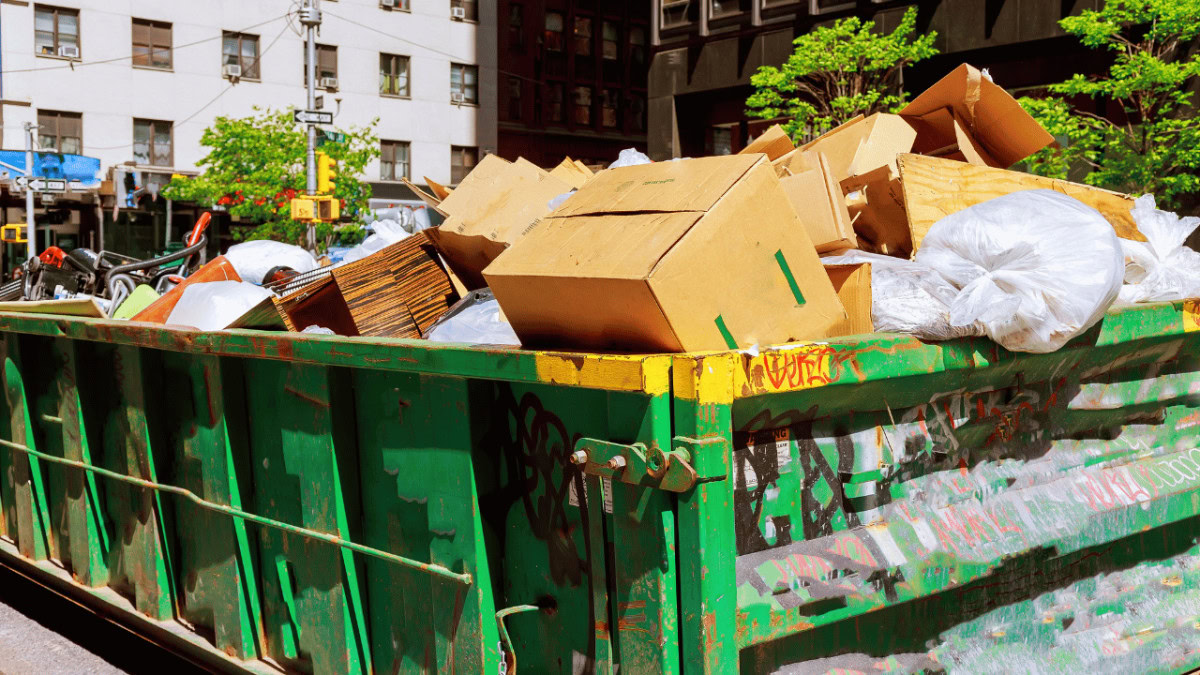
Looking ahead, the Santa Cruz City Council is considering a technological shift in waste management through the introduction of smart containers. These devices would be able to track the amount of waste generated by each citizen, identify the user, and reward households that recycle effectively with tax bonuses.
Although the initiative could offer long-term benefits, residents are unlikely to see any of these improvements by the time the tax hike is implemented in 2026. For many households, the short-term reality is simply a larger bill.
Limited Tax Relief
Certain groups will continue to benefit from exemptions and discounts on the waste tax. These include families at risk of social exclusion, vacant properties, and households located more than 200 meters from the nearest waste container.
In contrast, the City Council has decided that properties used for vacation rentals will not be eligible for any form of exemption. This measure reflects ongoing efforts by the municipality to balance the financial responsibilities between permanent residents and the booming short-term rental sector, which has been a point of contention in many Spanish cities.
Growing Concerns Among Residents
One of the biggest criticisms raised by Díaz-Estébanez is the lack of public communication regarding the increase. He warned that many citizens will be caught off guard when their bills rise, especially as the hike does not come with an immediate improvement in waste management services.
“This increase has not been properly explained to the people,” he said. “Residents are going to pay more without seeing any short-term benefits.”
A Difficult Balancing Act
The situation highlights the challenge of implementing EU environmental policies at the local level. While the new regulations aim to reduce waste and encourage recycling, their financial impact on ordinary households is already stirring unease in Santa Cruz.
As the city prepares for this major change, the debate is likely to intensify over how best to balance environmental responsibility with fairness to taxpayers. For now, residents are left with the knowledge that, starting in 2026, their waste collection bills will rise by half, without a guarantee of immediate service improvements.