The British press has suddenly discovered the Canary Islands again.
But this time, they’re looking for the ones “without tourists”.
Which is mildly amusing, considering how many British tourists have been coming here for decades.
After recent demonstrations about mass tourism, parts of the UK media have shifted tone. Instead of promoting the big resorts of Tenerife, Gran Canaria, Lanzarote and Fuerteventura, they’re now highlighting the quieter islands.
But there’s something important that’s being slightly misunderstood.
What Are People Actually Protesting About?
Some of the headlines make it sound like locals are turning against tourists.
That’s not really the case.
One resident put it plainly:
“We are not protesting against tourists, but against the lack of social housing.”
That’s a very different message.
The frustration isn’t with visitors enjoying the islands. It’s about housing shortages, rising rental prices, limited availability for locals, and concerns about infrastructure and environmental strain.
Those are planning issues.
Blaming tourism is easy. Fixing supply, zoning and long-term housing policy is harder.
The UK Media’s New “Hidden Gems”
In response to the noise, British travel outlets are now promoting the lesser-known islands as alternatives.
The three that keep getting mentioned are:
- La Gomera
- El Hierro
- La Palma
And to be fair, they are different.
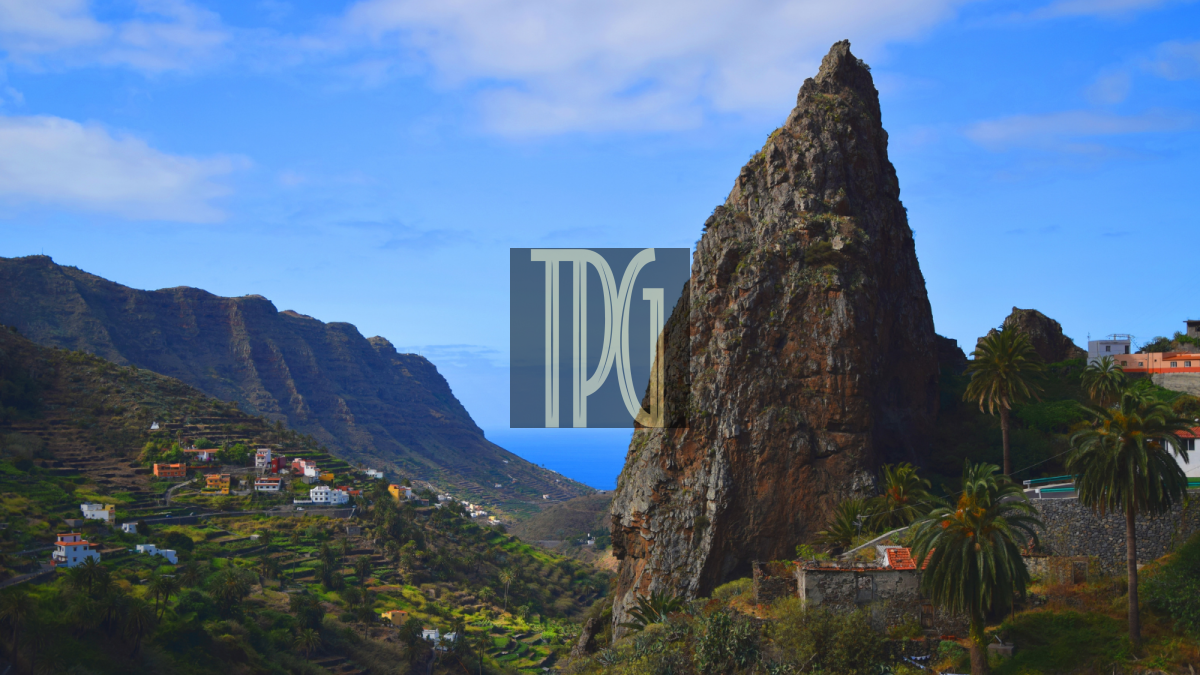
La Gomera: Smaller, Slower, Quieter
La Gomera is being described as offering a “more relaxed and authentic experience” and even as an “idyllic paradise untouched by commercial tourism”.
That’s probably stretching it a touch… but the general idea is right.
It’s smaller scale. Fewer large developments. More walking trails than beach clubs.
You don’t go there for nightlife. You go there for scenery and quiet.
El Hierro: Properly Off The Radar
El Hierro is being called the “biggest hidden gem” in the Canary Islands.
And it probably is.
It’s rugged, raw and very local. No mass resorts. No long strips of hotels.
People often assume there’s not much there.
Then they visit.
And realise they were wrong.
But it’s not for everyone. It requires intention. You don’t end up in El Hierro by accident.
La Palma: Still “The Beautiful Island”
Despite the volcanic eruption, La Palma is still being described as safe, green and environmentally rich.
Large parts of the island remain untouched and stunning.
It’s a different type of tourism again. More nature-focused. More hiking boots than poolside cocktails.
And yes, it still earns the nickname “La Isla Bonita”.
The Reality Check
Here’s the honest bit.
The bigger islands are busy because they have:
- Better flight connections
- More hospitals and infrastructure
- International schools
- Larger job markets
- Stronger rental demand
- More liquid property markets
The quieter islands offer charm and authenticity.
But they don’t offer the same scale of services.
That’s not criticism. It’s just fact.
When people say they want “tourism without tourists”, what they usually mean is they want the benefits without the volume.
That’s a difficult balance anywhere in the world.
Tourism Isn’t The Problem
The Canary Islands don’t have a tourism problem.
They have a housing and planning challenge.
Tourism is the backbone of the economy. Without it, thousands of jobs disappear overnight…and millions in revenue.
The conversation now is about managing growth better. Building the right type of housing. Protecting local communities. Controlling overdevelopment.
That’s not anti-tourist.
That’s long-term thinking.
What This Means If You’re Buying
Whenever protests make international headlines, overseas buyers get nervous.
They shouldn’t.
The message isn’t “tourists go home”.
It’s “we need smarter housing policy”…directed at the Government…not property buyers or owners…not even at reañl estate agents (hopefully…although, I’ve had my fair share of negativity online! – and yes, I have screenshots if you reading this!)
If the pressure on Government leads to better regulation and more structured development, that’s actually positive for long-term stability.
The Canary Islands are not closing their doors.
They’re just having a very overdue grown-up conversation about growth.